
If you own a home in Greenwood, Indianapolis, or anywhere else in Indiana, you know how quickly the weather can change once fall starts winding down. One week might bring mild temperatures, while the next brings freezing nights, snow, and icy roads.
Those changes can be hard on your home, especially if you haven’t had a chance to prepare for winter. Frozen pipes, roof leaks, drafts, and heating problems are just a few of the things homeowners may have to deal with when temperatures drop.
The good news is that there are several things you can do before winter arrives to help protect your home. A little maintenance now may save you from dealing with a much bigger problem later.
Here are seven ways to get your Indiana home ready for the colder months.
1. Check Your Roof and Clean Your Gutters
Your roof takes a beating throughout the year, and winter weather can make existing problems worse. Missing shingles, damaged flashing, or loose roofing materials may allow water to enter your home when snow and ice begin to melt.
Before the weather turns cold, take a look at your roof from the ground. If you notice anything that looks damaged, consider having a roofing professional inspect it.
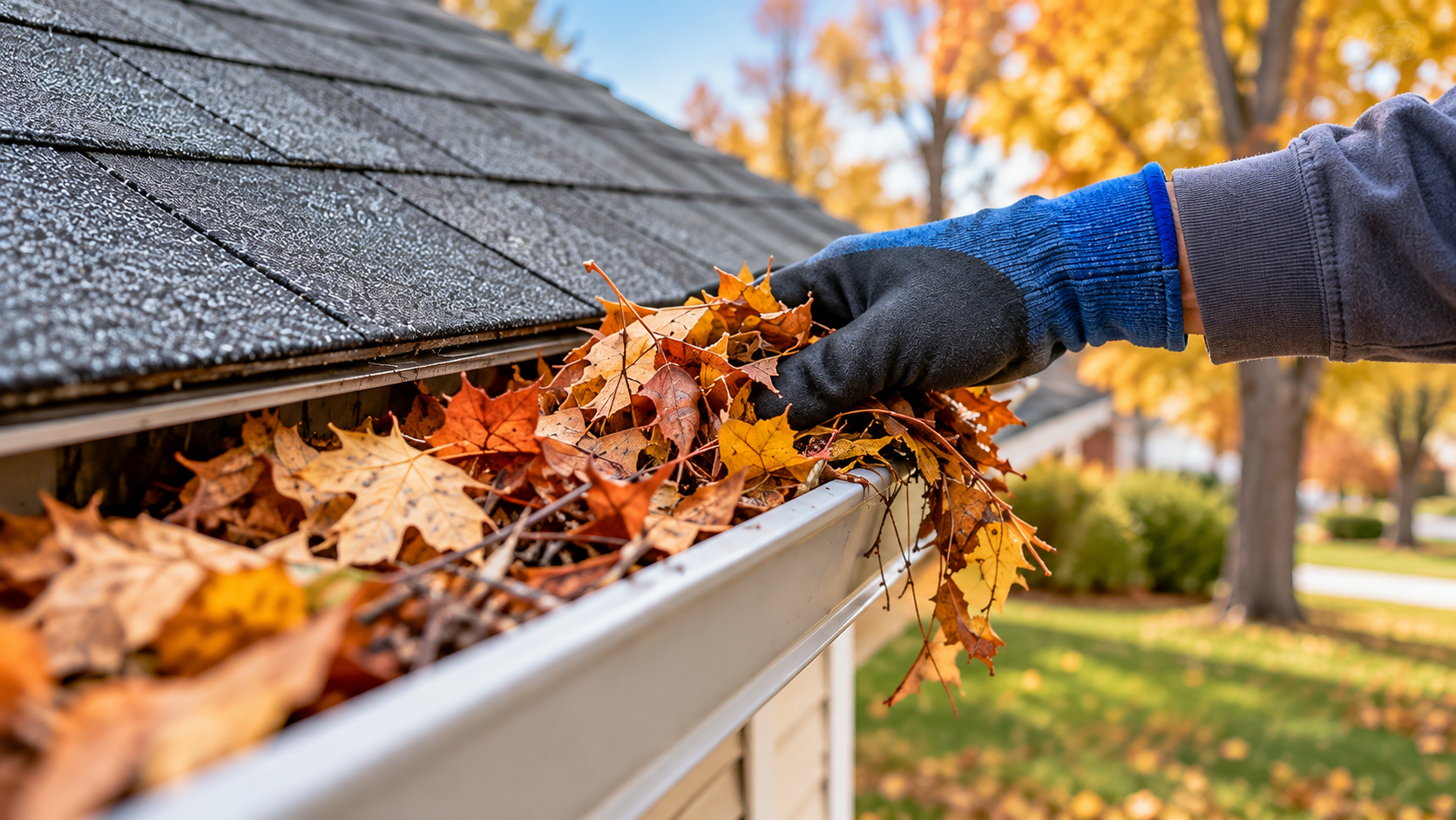
You should also clean your gutters and downspouts. Fallen leaves can prevent water from draining properly, causing it to collect along the roofline or near your home’s foundation.
When temperatures drop below freezing, trapped water can turn into ice. Under the right conditions, ice dams may form along the edge of the roof and prevent melting snow from draining as it should. Water can then work its way beneath roofing materials and cause damage.
Keeping your gutters clear and making sure water drains away from your house can help reduce these risks.
2. Protect Your Pipes From Freezing
Frozen pipes are one of the biggest concerns for homeowners during an Indiana cold snap. When water freezes inside a pipe, it expands. That pressure can cause the pipe to crack or burst, potentially leaving you with water damage once the ice melts.
Pipes in unheated areas are especially vulnerable. This can include basements, crawl spaces, garages, and cabinets along exterior walls.
There are a few ways to help protect your plumbing:
- Insulate exposed pipes in areas that get especially cold.
- Seal gaps around pipes where cold air can enter.
- Disconnect outdoor hoses and drain exterior faucets according to your plumbing system’s instructions.
- Keep your thermostat set to a consistent temperature during freezing weather.
- Open cabinet doors beneath sinks when needed to allow warm air to reach the pipes.
If you’re leaving town during winter, don’t turn your heat off while you’re away. Keep your home warm enough to help protect the plumbing, and consider asking someone to check on the property.
If you suspect a pipe has frozen, contact a qualified plumber. If a pipe bursts, shut off the water supply if you can do so safely and take steps to limit further damage.
3. Have Your Furnace and Heating System Checked
The middle of a cold Indiana winter is not the time you want to discover that your furnace isn’t working properly.
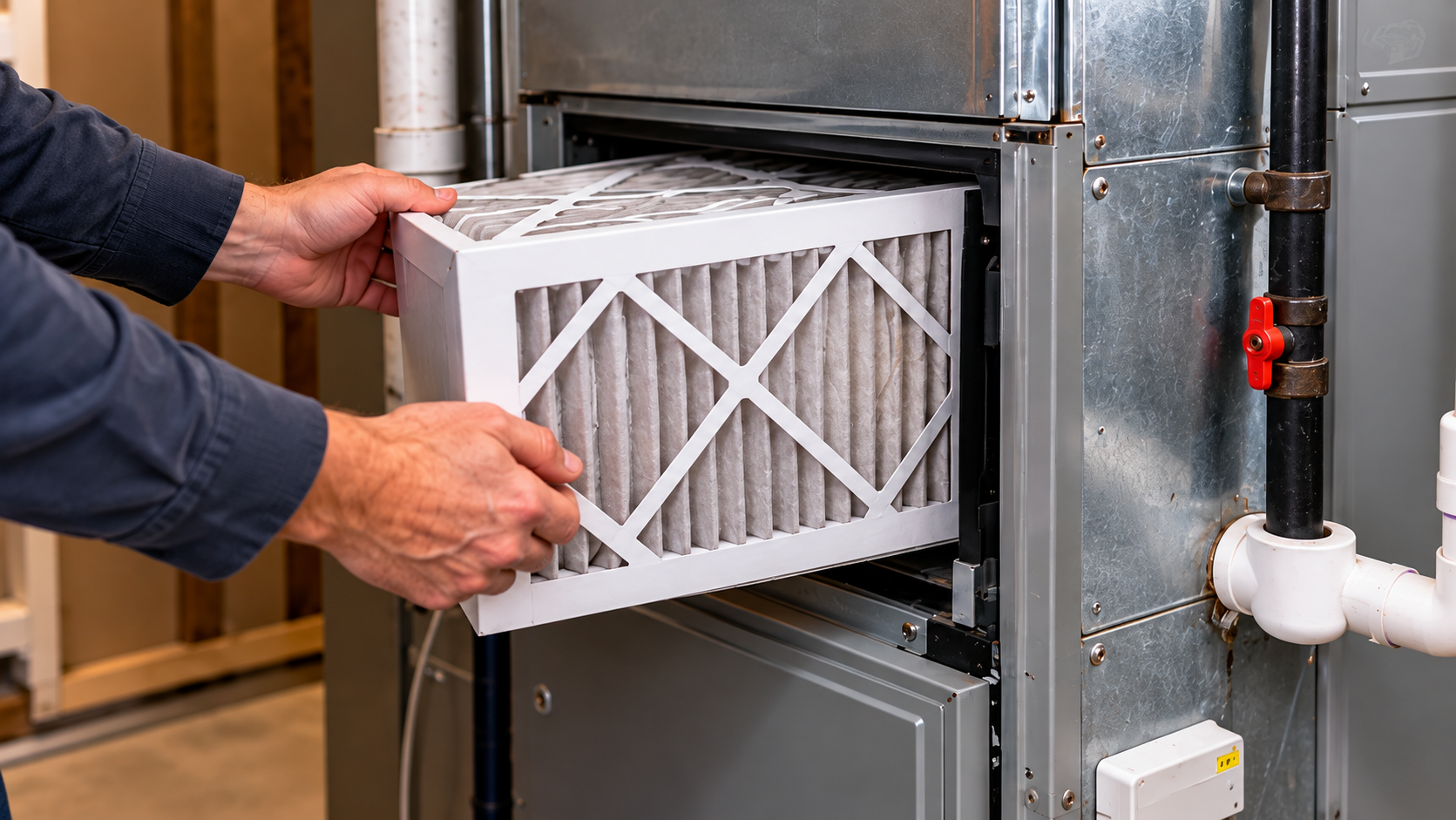
Scheduling routine maintenance before the heating season gets underway can help identify problems and keep your system operating as intended. It’s also a good time to replace or clean your furnace filter according to the manufacturer’s recommendations.
If your home has a fireplace or wood-burning stove, make sure it is inspected and maintained as needed. Creosote buildup in a chimney can create a fire hazard, and blocked or damaged vents can cause other safety concerns.
You should also test your smoke alarms and carbon monoxide detectors before winter. Heating equipment gets used more frequently during cold weather, so it’s important to make sure your safety devices are working properly.
Never use an outdoor grill or generator inside your home or garage. These devices can produce dangerous levels of carbon monoxide.
4. Seal Drafts Around Windows and Doors
Have you ever noticed a cold breeze coming through a closed window or felt cold air around your front door? Small gaps around windows, doors, and other openings can let warm air escape and cold air enter your home.
Check the weatherstripping around exterior doors and look for gaps in the caulking around windows. Replacing worn weatherstripping, adding door sweeps, and sealing small openings can help make your home more comfortable.
It’s also worth checking your attic insulation. If your home loses a lot of heat through the attic, you may be spending more than necessary to keep it warm.
These improvements won’t prevent every winter problem, but they can help reduce drafts and make it easier to maintain a comfortable temperature indoors.
5. Get Your Yard Ready for Winter
Preparing your home for winter also means taking care of the property outside.
Heavy snow, ice, and strong winds can damage trees, fences, outdoor furniture, and other items around your yard. Before winter weather arrives, look for dead branches that could fall during a storm. If a tree has large or dangerous limbs, consider having a qualified tree professional take care of them.
It’s also a good idea to secure or store outdoor furniture, decorations, and lightweight equipment that could be blown around by strong winds.
Check your walkways, steps, and handrails for loose or damaged areas, too. Once snow and ice arrive, those spots may become harder to navigate safely.
Keeping your driveway and walkways clear when conditions allow can help reduce the chance of slips and falls for your family and visitors.
6. Check for Moisture and Drainage Problems
Water problems don’t always start with a dramatic leak. Sometimes, they develop slowly because water isn’t draining away from the house or moisture is getting into places it shouldn’t.
Before winter, look around your basement, crawl space, and attic for signs of moisture. Water stains, musty smells, damp insulation, or peeling paint may indicate a problem that needs attention.
Outside, make sure downspouts direct water away from the foundation. Check that the ground around your home slopes away from the house where possible, so rain and melting snow don’t collect against the foundation.
It’s best to address drainage problems before the ground freezes. Once winter sets in, repairs can be more difficult.
7. Review Your Homeowners Insurance Before Winter Arrives
Even when you take good care of your home, you can’t control every problem that comes with winter weather. That’s one reason it’s worth reviewing your homeowners insurance before temperatures start to drop.
Homeowners insurance can help protect your house and belongings against certain covered losses, but the details matter. Not every type of winter damage is treated the same way, and coverage depends on your policy and the circumstances of the loss.
For example, damage caused by a sudden pipe burst may be treated differently from damage caused by a long-term leak or a maintenance issue. Roof damage, ice dams, and water intrusion can also involve specific policy terms, exclusions, or limitations.
Here are a few things worth reviewing:
- Dwelling coverage: Check the coverage that applies to the structure of your home.
- Personal property coverage: Understand how your policy protects belongings inside the house.
- Your deductible: Know how much you would generally pay out of pocket toward a covered claim.
- Policy exclusions: Review situations or types of damage that may not be covered.
- Additional living expenses: Check whether your policy may help pay certain extra living costs if a covered loss makes your home uninhabitable.
If you aren’t sure what your policy covers, an insurance agent can help explain the details and answer questions about your options.
It’s much better to understand your coverage before a problem happens than to try to figure everything out after a loss.
Get Your Home Ready for an Indiana Winter
Winter preparation doesn’t have to involve a major renovation or a long list of expensive projects. Cleaning your gutters, protecting your pipes, checking your heating system, and sealing drafts are all practical places to start.
It’s also worth taking a few minutes to review your homeowners insurance. Good maintenance can help reduce certain risks, while understanding your coverage can help you make more informed decisions about protecting your property.
At Hubler Financial Services Insurance, we’re here to help homeowners in Greenwood, Indianapolis, and surrounding Indiana communities understand their insurance options.
If you have questions about your homeowners insurance or want to review your current coverage before winter arrives, contact Hubler Financial Services Insurance at (317) 851-5781 or visit our Get Your Quote Page.
Taking care of a few things now can help you feel more prepared when the cold weather arrives.