
Fall in Indiana is a great time to enjoy cooler temperatures, changing leaves, and a little less summer heat. But as the seasons change, driving conditions change, too. Rainy days, wet leaves, foggy mornings, and earlier sunsets can all make your daily commute a little more challenging.
Whether you’re driving around Greenwood, heading into Indianapolis, or taking a weekend trip to see the fall colors, a few simple precautions can help you stay safer on the road.
At Hubler Financial Services Insurance, we know that safe driving means more than following the rules of the road. It also means knowing what to expect as the seasons change. Here are some practical fall driving safety tips for Indiana drivers to keep in mind this season.
1. Be Careful on Wet and Leaf-Covered Roads
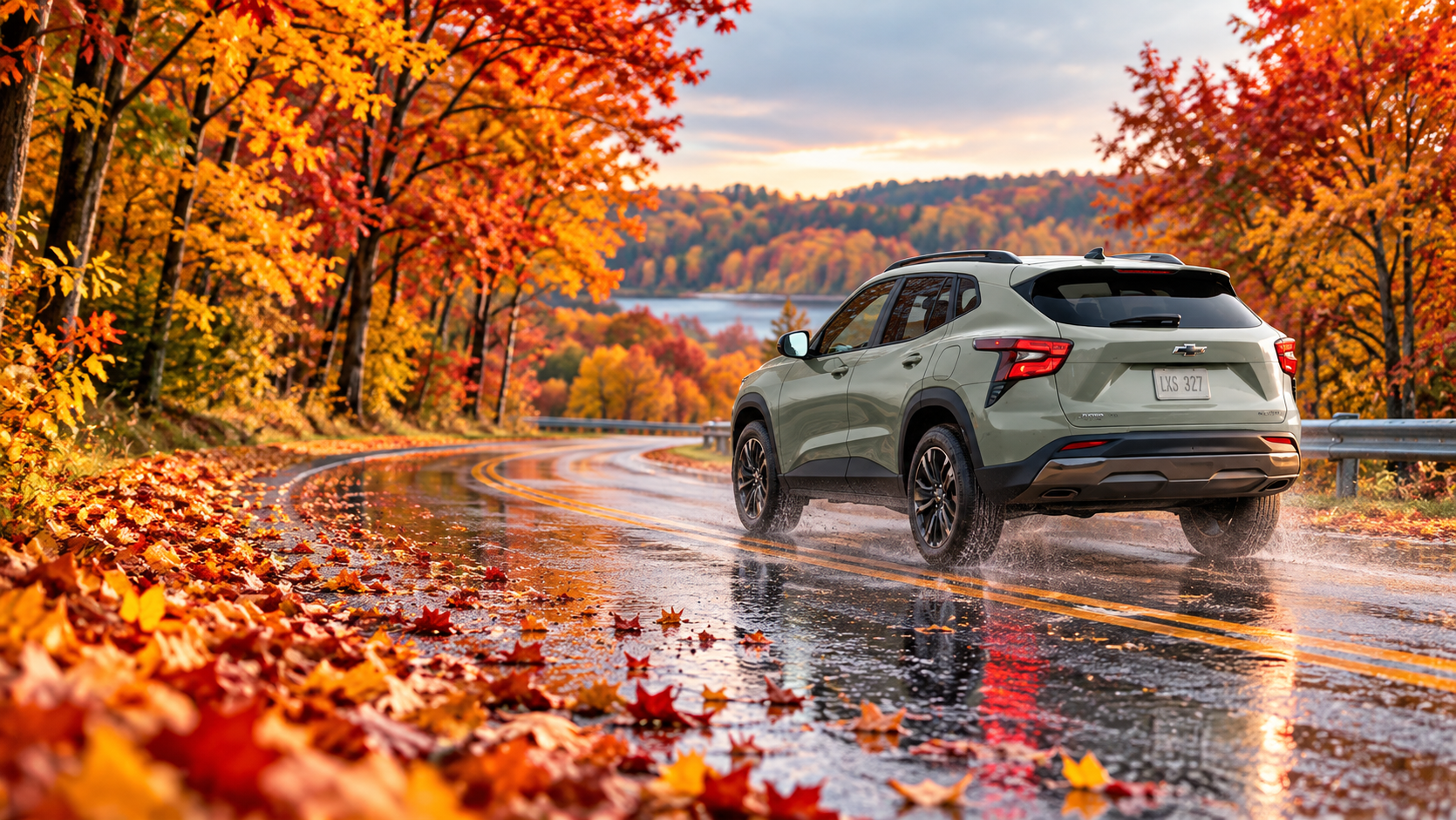
One of the best parts of fall is seeing the trees change color. Unfortunately, those beautiful leaves can create slippery road conditions once they fall, especially when they’re wet.
Wet leaves can reduce your tires’ traction, making it harder to stop quickly or maintain control around curves. Add fall rain to the mix, and roads can become slicker than they look.
When driving on wet or leaf-covered roads:
- Slow down. Give yourself extra time to react if traffic stops or you need to brake.
- Leave more space. Increase the distance between your vehicle and the car ahead of you.
- Brake gently. Sudden braking or sharp turns can make it easier to lose traction.
- Watch for leaves near intersections. Leaves often collect along curbs and at corners, where you may need to turn or stop.
Remember that a road doesn’t have to look dangerous to be slippery. Taking it a little slower can make a real difference on rainy fall days.
2. Adjust to Shorter Days and Changing Visibility
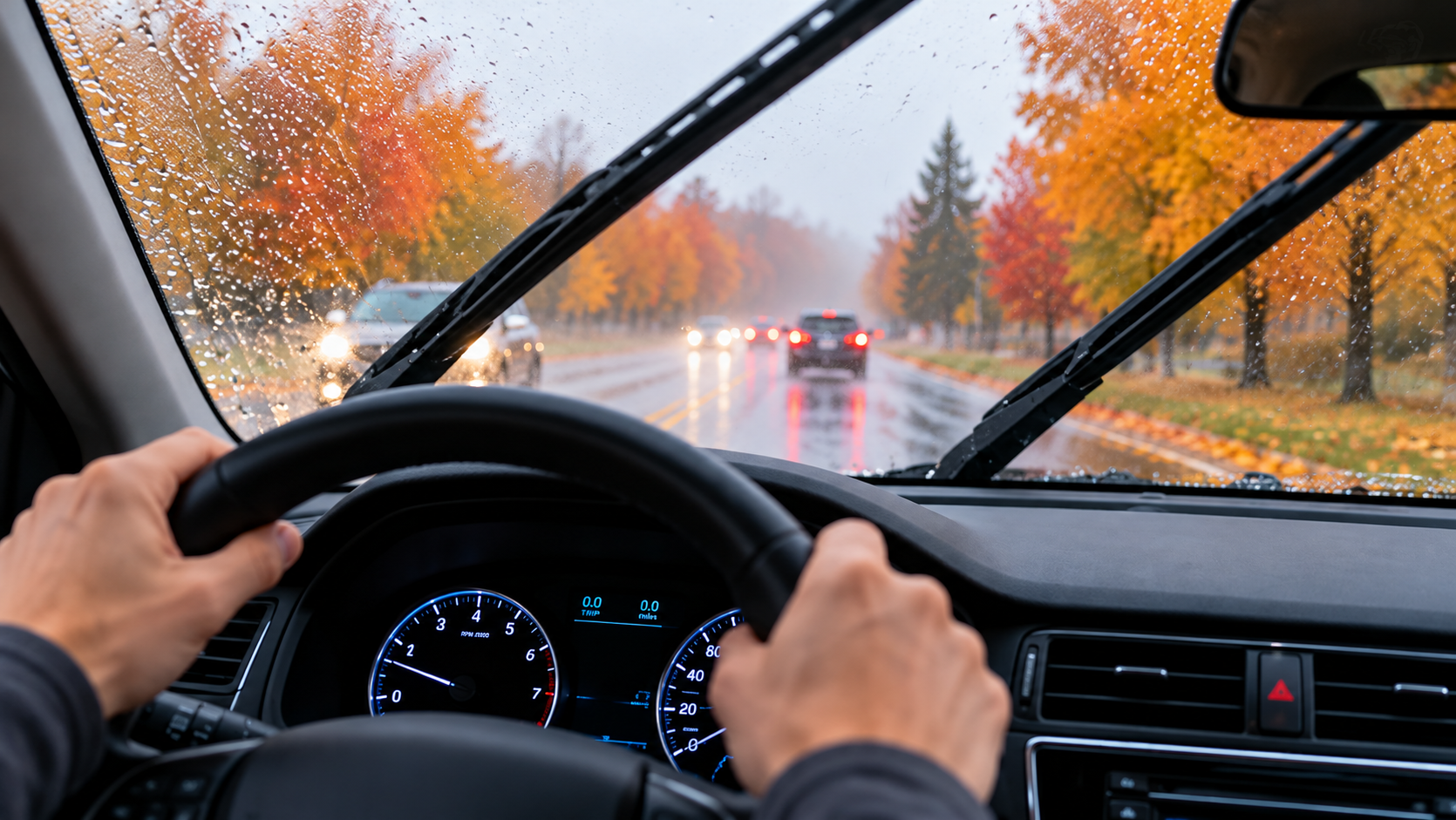
As fall progresses, the days get shorter, and many Indiana drivers find themselves commuting in the dark. Morning fog, cloudy skies, and low-angle sunlight can also make it harder to see the road clearly.
Good visibility is important for spotting pedestrians, cyclists, changing traffic signals, and vehicles slowing down ahead of you.
A few simple habits can help:
- Turn on your headlights when visibility is reduced, even during the day.
- Keep your windshield clean inside and out to reduce glare.
- Check that your headlights, brake lights, and turn signals are working properly.
- Use your defroster if your windows begin to fog up.
- Slow down in fog and leave extra space between vehicles.
If the sun is shining directly into your eyes during your commute, keep sunglasses handy and make sure your windshield is free of streaks and smudges. Small steps like these can make fall driving more comfortable and help you see potential hazards sooner.
3. Check Your Tires Before the Weather Changes
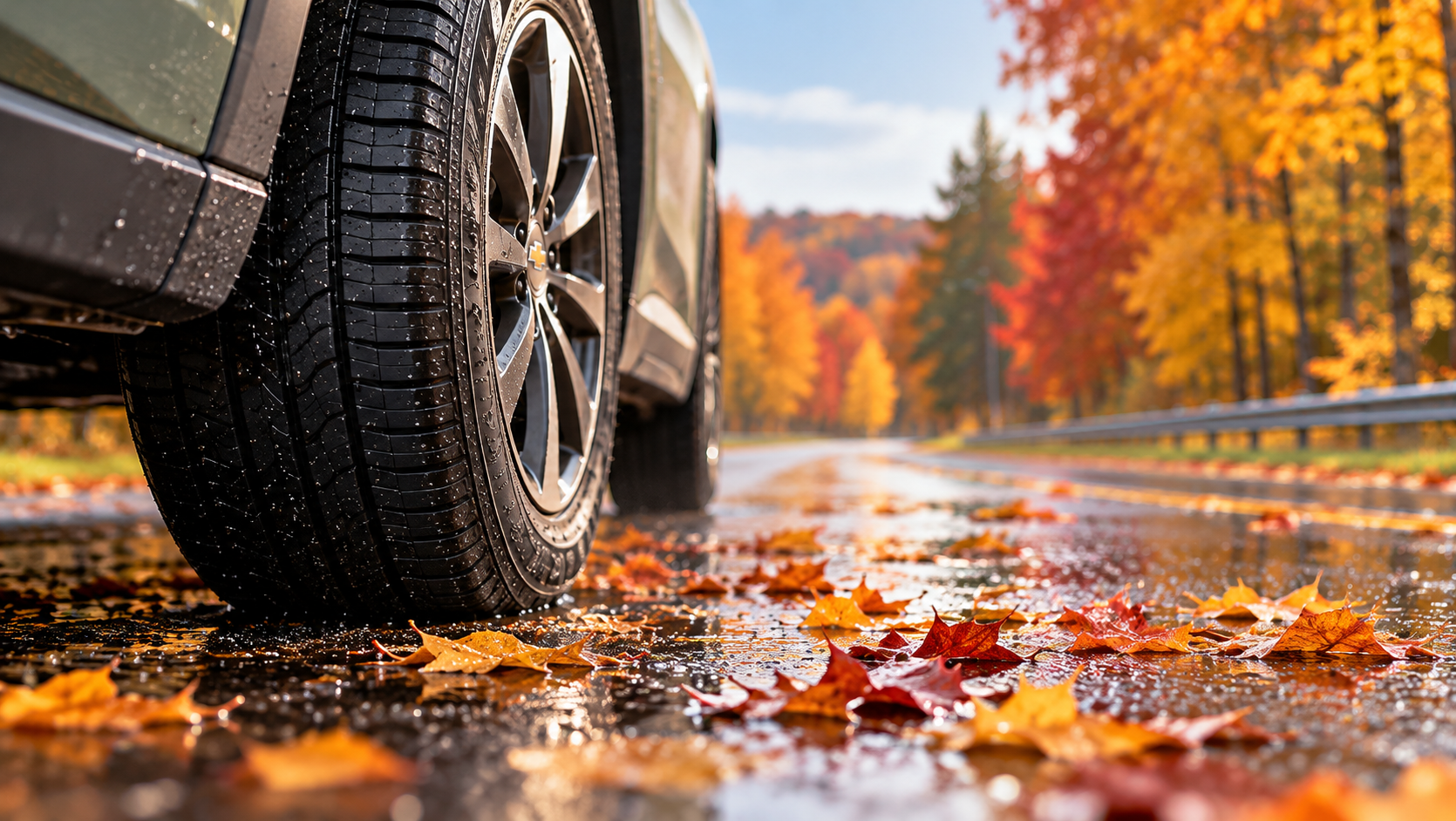
Your tires play a major role in how well your vehicle handles wet roads. If the tread is worn down or the tire pressure is too low, your car may have a harder time maintaining traction when it rains.
Fall is a good time to check your tires before colder temperatures and unpredictable weather become part of your routine.
Look for uneven tread wear, visible damage, and signs that your tires may need replacing. You should also check your tire pressure according to the recommendations in your vehicle’s owner’s manual. Tire pressure can drop as temperatures cool, so it’s worth checking it regularly.
If you notice your car slipping more than usual on wet roads, have your tires inspected. Properly maintained tires can help improve handling and braking when fall weather makes driving more challenging.
4. Make Sure Your Windshield Wipers and Brakes Are Ready
Fall showers can arrive quickly, and worn windshield wipers may leave streaks or fail to clear water effectively. That can be especially frustrating when you’re driving in heavy traffic or dealing with glare from oncoming headlights.
Take a few minutes to check your wipers. If they leave streaks, skip across the glass, or make unusual noises, it may be time to replace them. Make sure your windshield washer fluid is topped off, too.
Your brakes deserve attention as well. If you hear squealing or grinding, feel unusual vibrations, or notice that stopping takes longer than it used to, have your brakes checked by a qualified mechanic.
You don’t need to wait for the first cold snap to take care of these basics. Keeping your vehicle in good condition can help you handle the rain and changing road conditions that are common throughout an Indiana fall.
5. Watch for School Traffic, Pedestrians, and Cyclists
Fall brings students back to school, more activity around school zones, and busy morning and afternoon commutes. In residential neighborhoods, you may also see more children walking or biking as they travel to and from school.
Be especially alert near crosswalks, school buses, intersections, and neighborhood streets. Children may not always be easy to see, particularly during early morning or late-afternoon commutes when visibility is limited.
Give yourself extra time when driving through school zones, follow posted speed limits, and be prepared to stop when necessary. Avoid distractions and keep your attention on the road, especially in areas where pedestrians and cyclists are likely to be present.
Even if you drive the same route every day, fall routines can bring new traffic patterns. Staying alert helps you respond when something unexpected happens.
6. Give Yourself More Time on Rainy Days
Indiana fall weather can be unpredictable. A clear morning can turn into a rainy afternoon, and roads may stay slick after the rain stops.
When the weather is wet, give yourself extra time to reach your destination instead of rushing. Reduce your speed when needed, avoid sudden lane changes, and leave plenty of room to stop safely.
Be cautious around standing water, too. If water is covering part of the road, don’t assume it’s safe to drive through. The depth can be difficult to judge, and water can affect your vehicle’s control.
It’s also a good idea to check the weather and traffic before leaving, especially if you have a longer drive planned. A little extra preparation can help you avoid unnecessary stress and make safer decisions behind the wheel.
7. Review Your Auto Insurance Before You Need It
Even careful drivers can encounter unexpected situations on the road. As you settle into fall driving, it’s a good opportunity to review your auto insurance and make sure you understand what your policy covers.
Different types of auto insurance serve different purposes:
- Liability coverage can help pay for injuries or property damage you cause to others in a covered accident.
- Collision coverage can help pay for damage to your vehicle resulting from a covered collision, subject to your policy terms and deductible.
- Comprehensive coverage can help cover certain types of damage to your vehicle that aren’t caused by a collision, such as damage from hail or a falling tree branch, subject to your policy terms and deductible.
The coverage you have depends on your policy, so it’s worth taking a look at your current limits, deductibles, and options. If you’re unsure about what’s included, an insurance professional can help explain the details.
Reviewing your policy doesn’t mean you need to make changes. It simply gives you a better understanding of your coverage before an unexpected event occurs.
Enjoy Fall in Indiana and Drive With Confidence
Fall driving doesn’t have to be stressful. By watching for wet leaves, adjusting to changing visibility, maintaining your tires and wipers, and staying alert around school zones, you can be better prepared for the road conditions that come with the season.
It’s also a good time to make sure you understand your auto insurance and whether your current coverage still fits your needs.
If you have questions about your auto insurance, Hubler Financial Services Insurance is here to help. Call us at (317) 851-5781 or visit our quote page to learn more about your options.
A little preparation can go a long way toward making your fall drives safer and more enjoyable.